


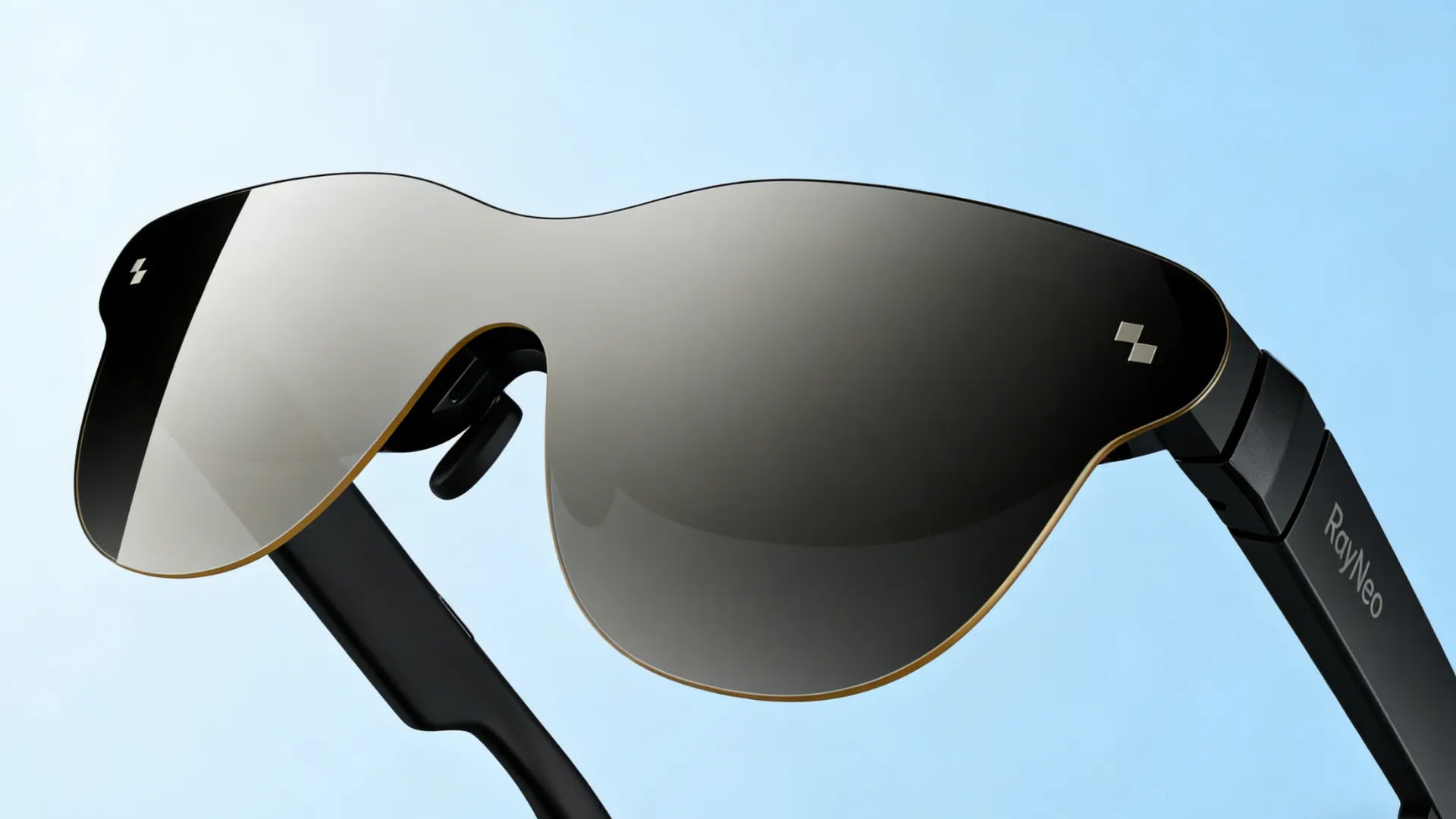
Smart glasses place digital displays just inches from your eyes, often for extended periods, raising concerns about blue light exposure that rarely come with traditional eyewear. Whether you’re streaming movies through AR displays at home, using virtual overlays for work, or gaming with XR glasses during travel, sustained close-range screen use makes blue light protection a topic worth paying attention to for long-term comfort.
This guide takes a practical look at what blue light actually does to your eyes, how blue light filtering lenses are designed to respond, and whether adding blue light protection to your smart glasses setup genuinely makes sense for everyday use rather than sounding good on paper alone.
What Is Blue Light and Where Does It Come From
Blue light is part of the visible light spectrum, generally ranging from about 400 to 490 nanometers, and carries more energy than longer wavelengths such as red or yellow. The sun remains the most intense natural source, but modern life adds continuous exposure from digital screens, LED lighting, and the micro-OLED or LCDs used in many smart glasses, often positioned very close to the eyes.

Unlike ultraviolet light, blue light is only partially filtered by the eye’s lens, meaning that a significant portion can still reach the retina—especially in younger individuals whose lenses are clearer. This becomes more relevant with AR and XR devices, where displays sit far closer to your eyes than phones or computer monitors. Daytime exposure can support healthy circadian rhythms, but heavy evening screen use may suppress melatonin, making it harder to wind down and maintain consistent sleep patterns.
How Blue Light Glasses Work
Blue light glasses are designed to limit the amount of high-energy visible light reaching your eyes by using specialized lens coatings or embedded materials. Instead of changing how a screen emits light, these lenses work at the eye level, reducing exposure before it reaches the retina. The effectiveness depends on the lens design, coating quality, and how aggressively the blue wavelengths are managed.
Filtering vs. Blocking Blue Light
Most blue light glasses rely on filtering rather than outright blocking. Filtering lenses selectively reduce wavelengths in the 400-450 nanometer range, where blue light is believed to have the greatest impact on comfort and sleep cycles. Blocking lenses remove a broader portion of the blue spectrum, which can significantly alter colour perception and give screens a yellow or amber tint. For everyday use, especially with smart glasses, filtering is more common because it balances comfort with natural-looking visuals, typically reducing blue light exposure by about 20 to 60 percent, depending on the lens material and coating quality.
Lens Technology and Coatings
Clear blue light lenses often use anti-reflective coatings that minimize glare while subtly reducing blue light, preserving accurate colours for work, navigation, and entertainment. Tinted lenses go further but can distort whites and neutral tones, which may be distracting when using AR displays or virtual screens. Some higher-end lenses integrate blue light filtering materials directly into the lens itself rather than relying on surface coatings, helping the protection last longer with daily wear and frequent cleaning.

Scientific Evidence on Blue Light Protection
Research on whether blue light glasses reduce eye strain is still evolving. A 2023 Cochrane review concluded that there isn’t strong evidence showing blue light filtering lenses significantly outperform standard lenses for eye strain relief. However, studies on circadian rhythm disruption show clearer results. Research from Harvard found that blue light suppresses melatonin for roughly twice as long as green light at similar brightness levels, leading to greater disruption of natural sleep cycles. This distinction helps explain why many users notice benefits primarily during evening or nighttime screen use rather than during the day.
How Blue Light Glasses Can Reduce Discomfort
Blue light glasses won’t correct vision issues or compensate for poor posture or screen habits, but they can help ease certain types of discomfort linked to long periods of screen exposure. This becomes especially noticeable with smart glasses and immersive displays that sit much closer to your eyes than phones or laptops.
1. Minimizing Eye Strain
Sustained focus on bright, high contrast displays can fatigue the eyes over time. Blue light filtering can slightly soften intense whites and sharp highlights, which some users find easier to tolerate during long viewing sessions. Results vary depending on individual sensitivity, display brightness, and how long the screens are used without breaks.
2. Reducing Headaches
For people sensitive to light, bright screens can contribute to tension headaches or migraines. Blue light glasses may reduce visual harshness without lowering brightness too much, which is useful when clarity matters. This is particularly helpful with the best AR glasses used outdoors, where displays must stay bright to compete with sunlight.
3. Improving Focus and Productivity
Reducing glare and visual fatigue can make it easier to maintain focus during extended tasks. While blue light glasses won’t replace regular breaks or good ergonomics, some users report better concentration during long work sessions. This benefit is more noticeable for people using virtual monitors, navigation overlays, or on-screen prompts throughout the day.
4. Enhancing Visual Comfort
Filtering specific wavelengths creates a more balanced visual experience, which matters when screens sit inches from your eyes. Many smart glasses users notice the difference most in the evening, when blue-heavy displays feel harsher against dimmer surroundings. Comfort gains are subjective, but often consistent enough that users continue wearing filtered lenses once accustomed to them.
How to Choose the Right Blue Light Smart Glasses
Choosing smart glasses with blue light protection is less about maximizing filtration and more about matching the lenses to how you actually use your devices. The right balance comes from considering filtering strength, visual clarity, comfort, and whether the protection fits your daily habits rather than overcorrecting for situations you rarely encounter.
1. Assess Your Daily Screen Time and Usage
Someone wearing XR glasses for six hours a day faces a very different exposure than someone who checks notifications a few times in the evening. Heavy users tend to benefit from stronger blue light filtering, while lighter users often prefer subtle coatings that preserve natural color. If sleep disruption is your main concern, evening use matters far more than daytime exposure.
2. Check Lens Quality and Blue Light Filtering Technology
Not all blue light lenses perform the same, even if the marketing claims sound similar. Look for lenses that specify the wavelength ranges they target instead of generic “blue light protection” labels. Higher-quality lenses maintain edge clarity and accurate colours, while cheaper coatings may introduce distortion or visual softness. Independent certifications, such as TÜV testing, can signal more consistent performance.
3. Consider Comfort and Fit for Extended Wear
Lens technology won’t matter if the glasses become uncomfortable after a short time. Weight distribution, nose pad design, and temple pressure all affect long-term wearability, especially during multi hour sessions. Smart glasses should feel stable without pinching or sliding, because discomfort quickly outweighs any visual benefits from blue light filtering.
4. Evaluate Compatibility With Your Smart Glasses
Not all smart glasses support prescription inserts or custom lens coatings. Many AR and XR models allow inserts with blue light filters, while audio-only smart glasses don’t use displays at all, making blue light protection unnecessary unless you’re viewing other screens. Always confirm compatibility before investing in specialized lenses or coatings.
5. Compare Price, Warranty, and Long-Term Value
Blue light filtering typically adds around $30 to $80 to prescription lenses, depending on the provider and coating quality. Lower-cost options may wear down faster or lose effectiveness over time. If you use smart glasses daily, warranty coverage and replacement policies matter, since frequent cleaning and handling increase the chance of scratches or coating degradation.
More Eye Care Strategy for AR & Smart Glasses Users
Blue light filtering can help, but it works best as part of a broader eye care approach. Long sessions with AR or smart glasses place unique demands on your eyes, so combining display quality, habits, and lens features leads to more consistent comfort over time.
1. Select the Best Blue Light Smart Glasses of 2026
Newer smart glasses increasingly address eye comfort at the hardware level, not just through add-on lens coatings. Displays with certified low blue light output, flicker-free performance, and adaptive brightness reduce strain before light even reaches your eyes. Features like dynamic dimming are especially useful when moving between indoor lighting and bright outdoor environments throughout the day.
Some newer models, including the RayNeo Air 3s Pro, use advanced dimming systems and carry TÜV SÜD certification, which serves as a rigorous technical guarantee for hardware-level blue light management. Unlike passive filters, this certification ensures the display’s light engine is engineered to suppress high-energy visible (HEV) blue light at the source—specifically within the $415nm$ to $455nm$ range—reducing potential retinal stress while maintaining color accuracy.

These display-level protections, verified by TÜV SÜD's strict flicker-free and low blue light standards, matter most during long movie sessions, gaming, or extended work use, where screen exposure adds up quickly. By shifting the protective burden from the lens to the pixels themselves, these devices provide a fundamentally safer viewing environment that meets global optical health benchmarks.
2. Upgrade Prescription Inserts with Blue Light Filters
If you wear prescription lenses, integrated inserts with blue light filtering can simplify your setup. This approach combines vision correction and screen protection in one place, avoiding the need for contact lenses under smart glasses. Production times typically run one to two weeks, and costs vary based on prescription strength and optional coatings like anti reflective layers.
3. Follow the 20-20-20 Rule
Even the best lenses can’t replace regular breaks. Every 20 minutes, shift your focus to something about 20 feet away for at least 20 seconds. This habit relaxes eye muscles that stay locked into near focus during AR use and remains one of the most reliable ways to reduce cumulative eye strain.
4. Use Anti-Reflective Lens Coatings
Anti-reflective coatings reduce glare caused by ambient light reflecting off your lenses, improving clarity and comfort regardless of blue light exposure. They’re particularly helpful outdoors, where AR displays compete with sunlight. Most high-quality prescription inserts pair anti-reflective treatments with blue light filtering, creating a more balanced viewing experience in varied lighting conditions.
Conclusion
Blue light glasses can ease real discomfort for some smart glasses users, especially those spending long hours with displays positioned just inches from their eyes. While research on eye strain relief remains mixed, evidence around sleep disruption and overall visual comfort is more consistent. Smart glasses simply magnify these concerns because close-range screens expose your eyes for longer, uninterrupted periods.
Whether blue light glasses work for you depends largely on how you use your devices and how sensitive you are to bright, high contrast displays. Filtering tends to matter most in the evening, when circadian rhythms are easier to disrupt, and for heavy users who notice fatigue after extended sessions. When combined with regular breaks, thoughtful screen positioning, and display technologies designed to limit blue light at the source, blue light protection becomes part of a practical, balanced approach to healthier screen habits rather than a cure-all on its own.
Frequently Asked Questions About Blue Light Glasses
1. Do Blue Light Glasses Really Work?
Blue light glasses do filter blue light as advertised, particularly in the higher energy wavelengths. However, current research shows limited evidence that they significantly reduce eye strain on their own. Where they appear more effective is in supporting sleep quality, especially when worn during evening screen use before bedtime.
2. Do Blue Light Glasses Work for Sleep?
Yes, they can help with sleep when used correctly. By reducing blue light exposure in the evening, these glasses support more natural melatonin production, which helps signal your body that it’s time to rest. The benefit is most noticeable for people who use screens late at night, and wearing them consistently one to two hours before bed tends to be more effective than occasional use.
3. Do Blue Light Glasses Work for Eye Strain or Headaches?
They may help reduce discomfort for people who are sensitive to bright or high-contrast displays. Blue light filtering can soften visual intensity, which sometimes eases headaches linked to screen use. That said, eye strain is often caused by multiple factors, including posture, screen distance, dry eyes, or outdated prescriptions, so regular breaks and proper ergonomics usually play a larger role.
4. Can I Wear Blue Light Glasses With My Smart Glasses?
In many cases, yes. Smart glasses with displays often support prescription inserts or built-in low blue light technology, making filtering useful for extended use. Audio-only smart glasses don’t emit blue light, so filtering isn’t necessary for them specifically. However, if you spend a lot of time on other screens during the day, wearing blue light glasses alongside your smart glasses setup can still make sense.
Share:
Meta AI Glasses vs. RayNeo AI Glasses: Which One Should You Buy?
7 Ways to Instantly Upgrade Your 2026 Super Bowl Party